Stop Waiting to Get Motivated to Lose Weight
Stop Waiting to Get Motivated to Lose Weight
Why the goal isn't more motivation—it's needing motivation less
I have some disappointing news.
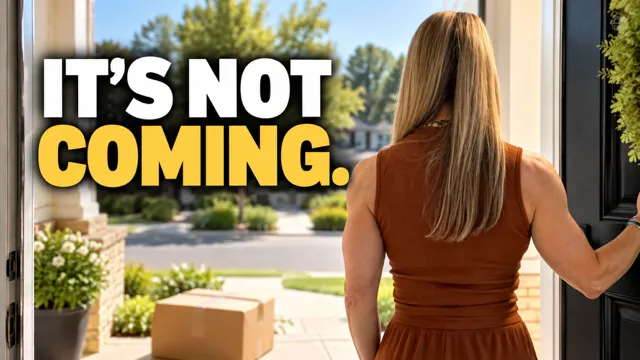
If you're waiting for motivation to arrive before you finally get serious about your health, the drone isn't coming.
Motivation does not drop on your front porch like an Amazon package. You don't place the order Sunday night and wake up Monday morning to find discipline, enthusiasm, and a sudden desire to meal prep sitting next to the welcome mat.
And yet, we give motivation an enormous amount of responsibility.
I'll start walking when I feel motivated.
I'll get back to strength training when I'm motivated.
I'll start paying attention to my nutrition when I can really commit.
I'll lose the weight when I finally get my head in the game.
There's just one problem:
Motivation is a feeling. Stop giving it a full-time job.
We've Got the Motivation Equation Backward
Most people imagine change happening like this:
Motivation → Action → Results
First you become motivated. Then you take action. Eventually you get results.
Sometimes it works that way.
But there's another sequence I see all the time:
Action → Evidence → Momentum → Motivation
You take the walk even though you weren't particularly excited about taking the walk.
Now you have evidence: I followed through.
You do it again.
More evidence.
Maybe your energy improves. Maybe you feel stronger. Maybe your clothes eventually fit differently. Maybe you simply start feeling good about keeping a promise to yourself.
Now you have momentum.
And guess what often shows up?
Motivation.
The motivation you were waiting for may have been waiting on you.
Motivation Loves a Grand Opening
Have you noticed that we rarely decide to change our lives at 3:17 on a Wednesday afternoon?
No. We want ceremony.
Monday.
The first of the month.
January 1.
After vacation.
After the holidays.
After the birthday.
After this crazy week.
We love a clean starting line because a clean starting line makes change feel official.
But there's nothing metabolically superior about Monday morning.
You are allowed to start in the middle.
You can take a walk Thursday afternoon.
You can make a more satisfying dinner tonight.
You can go back to the gym even though you missed the first two workouts this week.
You can eat a protein-forward lunch even if breakfast was a nutritional train wreck.
Learning to start in the middle may be far more valuable than becoming excellent at dramatic fresh starts.
Because real life happens mostly in the middle.
Some People Are Excellent Starters
This is where motivation and all-or-nothing thinking make a particularly unhelpful team.
When motivation is high, we create plans for the person we apparently intend to become by next Tuesday.
Five workouts.
10,000 steps every day.
Perfect macros.
No alcohol.
Sunday meal prep.
Eight hours of sleep.
Enough water to require a restroom within a 100-yard radius at all times.
And for a while, it feels fantastic.
Then you miss a workout.
Dinner happens at a restaurant.
Work explodes.
You sleep terribly.
The plan starts cracking, motivation disappears, and you decide you'll “get back on track Monday.”
Again.
Eventually, you become very skilled at starting.
But sustainable weight loss requires another skill:
Continuing when the week isn't impressive.
Nobody posts an inspirational montage about the ordinary Thursday when they didn't feel like doing much but took the walk anyway.
Those Thursdays matter.
A lot.
Make the Behavior Smaller Than the Excuse
One of the most useful things you can learn is how to downshift instead of disappear.
Planned a 45-minute walk but only have 15?
Walk 15.
Can't fit in your normal workout?
Do three exercises.
Didn't meal prep for the entire week?
Prepare tomorrow's lunch.
Restaurant meal didn't go according to plan?
Your next meal can simply be normal.
This isn't permission to perpetually do the minimum.
It's a way to protect continuity when the maximum isn't available.
There's a big difference between:
“I couldn't do all of it, so I did a smaller version.”
and
“I couldn't do all of it, so I did nothing until next Monday.”
One keeps the behavior alive.
The other requires another restart.
Stop Asking, “Do I Feel Like It?”
Imagine standing in your bathroom tonight holding your toothbrush and thinking:
Hmm. I'm just not feeling very motivated about dental hygiene today.
You'd brush your teeth anyway.
Not because you have extraordinary discipline.
Because brushing your teeth has become normal.
That's where I want more of your health behaviors to go.
Instead of:
“Do I feel like working out?”
Try:
“Is today one of the days I train?”
Instead of:
“Am I motivated to pack lunch?”
Try:
“Does having lunch ready make tomorrow easier?”
Instead of:
“Do I feel like taking a walk?”
Try:
“Is walking something I've decided belongs in my life?”
That shift matters.
You're no longer asking your emotions for permission every time you need to do something useful.
The Goal Is Not More Motivation
This is where I think a lot of weight-loss advice misses the mark.
We keep trying to figure out how to stay motivated.
I don't want you to stay motivated.
I want you to eventually need motivation less often.
Your breakfast becomes normal.
Your grocery routine becomes normal.
Your workouts have a place in the week.
You have a handful of meals that work.
You know what to do at restaurants.
You know what happens when you're traveling.
You know how to adjust when the week gets messy.
You aren't holding a board meeting with yourself every time a health decision appears.
Motivation gets way too much credit. Normal gets results.
And no, “normal” isn't sexy.
That's part of its charm.
Good Systems Beat Heroic Effort
None of this means discipline doesn't matter. Sometimes you absolutely need to do something you don't particularly want to do.
But if your entire healthy lifestyle requires heroic discipline every day, I'd take another look at the lifestyle you've designed.
Maybe you're trying to change too much at once.
Maybe your nutrition plan is unnecessarily restrictive.
Maybe your workout schedule makes sense on paper and absolutely no sense in your actual life.
Maybe you've built a system requiring 47 excellent decisions before dinner.
That's exhausting.
Instead, reduce the friction.
Keep useful foods in the house.
Have easy protein options available.
Schedule workouts instead of hoping you'll find time.
Keep a few reliable meals in rotation.
Put your walking shoes somewhere obvious.
Make the behavior easier to begin.
Every healthy decision does not need to become a test of character.
You Don't Need to “Get Back on Track”
There's another phrase worth retiring:
“I need to get back on track.”
It implies there's one perfect track, you fell off it, and now we need a dramatic recommitment ceremony to get you back aboard.
You don't.
You need the next useful action.
Overate at lunch?
Eat a normal dinner.
Missed two workouts?
Do the next one.
Came home from vacation?
Buy groceries.
Had a rough weekend?
Monday doesn't require starvation and cardio penance.
Just resume.
The faster you can move from “I blew it” to “What's next?”, the less motivation you'll need to keep restarting.
And that's where sustainable change starts looking very different from another diet.
Do It Before Your Feelings Get a Vote
Think about one health behavior you've been waiting to feel motivated to do.
Just one.
Maybe it's walking regularly. Strength training. Planning meals. Eating enough protein. Going to bed earlier. Tracking your intake.
Now stop asking:
“Am I motivated enough?”
Ask:
“What's the smallest useful version of this I can do today?”
Then do it.
Not Monday.
Not after your trip.
Not when life settles down.
Today.
Because once you've acted, you have something far more useful than another inspirational quote.
Evidence.
Evidence that you can act before you feel ready.
Repeat the action and you build momentum.
Repeat it enough and, eventually, you get something better than motivation.
You get normal.
Stop Waiting
So no, I don't have a five-step strategy for staying wildly motivated about weight loss for the rest of your life.
I don't think that's the goal.
The goal is to build a lifestyle that doesn't require a pep rally every morning just to keep it going.
You don't need to feel ready. You need to begin.
Take the action.
Collect the evidence.
Build the momentum.
Make the behavior normal.
And the next time you catch yourself waiting to “get motivated,” remember:
The drone isn't coming.
Maybe that's exactly the push you needed to stop waiting for the delivery—and start moving.
Want Help Turning “I Know What to Do” Into “I Actually Do It”?
Knowing what to do and consistently doing it are two very different things.
If you're a woman who has plenty of nutrition knowledge but struggles to turn that knowledge into a realistic, repeatable lifestyle, that's exactly the gap I help women close at Wright-Sized Wellness.
📩 Coaching inquiries:[email protected]
Do good. Have fun. Be well.
Resources I Know You’ll Love
Tired of feeling unsure of where to find quality supplements?
Many women navigating midlife health concerns—whether it’s energy, metabolism, bone health, or hormonal support—want to use supplements wisely but feel overwhelmed by the options available online.
That’s why I recommend Fullscript, a professional supplement dispensary that gives you access to high-quality, practitioner-grade products from brands that prioritize testing, purity, and transparency.
Instead of guessing which supplements are legitimate, Fullscript allows you to shop from vetted brands in one place, with clear information about ingredients and quality standards.
👉You can explore my Fullscript dispensary here - and don't hesitate to reach out to me at [email protected] if you need additional guidance.